

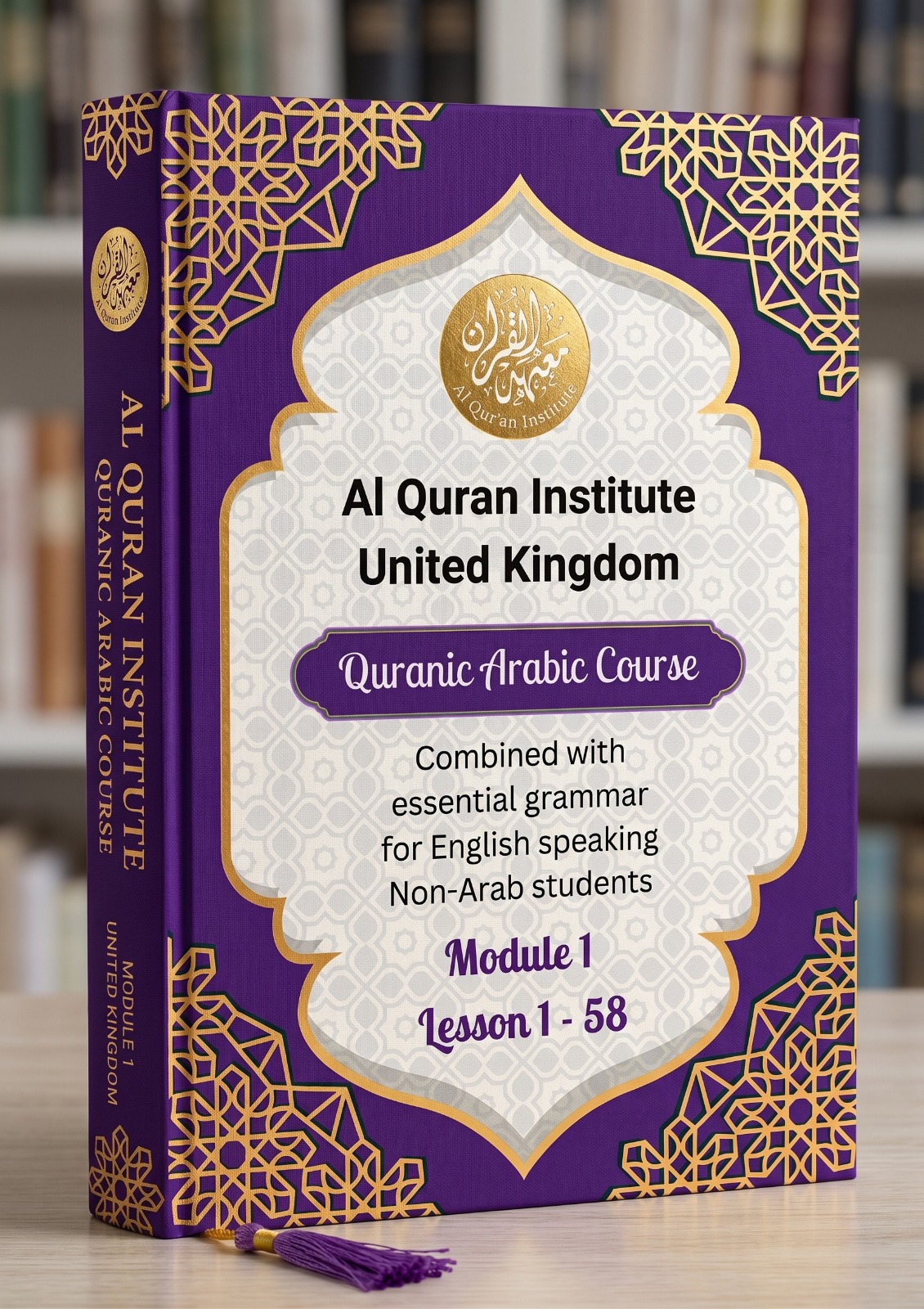
Quranic Arabic Grammar - Module 1 Full Book
পিডিএফ বই
£10
Every day, a Muslim makes choices. What to eat. What to say. How to earn. What to watch. Who to speak to. How to dress. How to buy and sell. How to use money. How to behave when no one is watching. These choices may look ordinary, but they are part of the journey to Allah. Islam does not divide life into religious moments and nonreligious moments. The same believer who stands in ṣalāh also goes to work, enters the market, uses a phone, speaks to family, signs contracts, eats meals and sits with friends. If Allah is the Lord of all life, then His guidance belongs in all life. Halāl and harām are therefore not merely rules. They are signs of servitude. They remind the believer that the heart is not free to follow every desire, the tongue is not free to say every word, the hand is not free to take every profit, and the eye is not free to look at everything. We belong to Allah, and we will return to Him. At the same time, this subject must be taught with balance. Allah has made many good things lawful. Islam is not a religion of unnecessary hardship. The believer should not invent prohibitions without knowledge, nor should he treat clear prohibitions lightly. The path is between two dangers: careless desire and harsh ignorance.
বিস্তারিত পড়ুন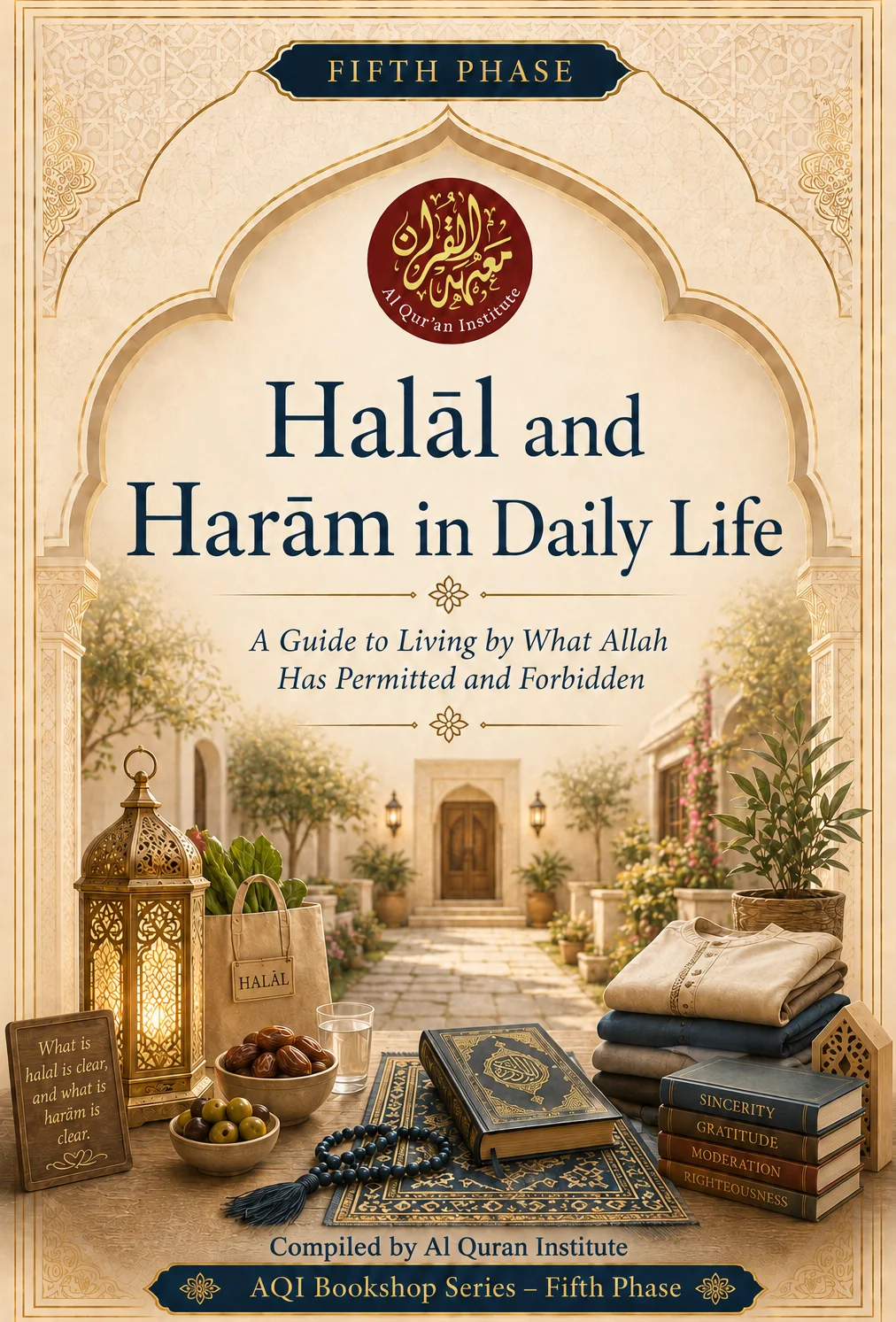
এই বইটি কিনুন
£15
Every day, a Muslim makes choices. What to eat. What to say. How to earn. What to watch. Who to speak to. How to dress. How to buy and sell. How to use money. How to behave when no one is watching. These choices may look ordinary, but they are part of the journey to Allah. Islam does not divide life into religious moments and nonreligious moments. The same believer who stands in ṣalāh also goes to work, enters the market, uses a phone, speaks to family, signs contracts, eats meals and sits with friends. If Allah is the Lord of all life, then His guidance belongs in all life. Halāl and harām are therefore not merely rules. They are signs of servitude. They remind the believer that the heart is not free to follow every desire, the tongue is not free to say every word, the hand is not free to take every profit, and the eye is not free to look at everything. We belong to Allah, and we will return to Him. At the same time, this subject must be taught with balance. Allah has made many good things lawful. Islam is not a religion of unnecessary hardship. The believer should not invent prohibitions without knowledge, nor should he treat clear prohibitions lightly. The path is between two dangers: careless desire and harsh ignorance.
নমুনা
0:00 / 0:30Introduction: Why Halāl and Harām Matter
অডিওবুক থেকে 30 সেকেন্ডের একটি অংশ।
এই বই নিয়ে কোনো প্রশ্ন আছে?
আমাদের ভর্তি টিম সাধারণত কয়েক ঘণ্টার মধ্যেই উত্তর দেয়।